Calendar Overview
The calendar date of Tuesday, November 24, 2026, arrives as a significant marker in the final stretch of the year. As a standard business day within the Gregorian calendar, this date falls as the 328th day of 365 in a common year, leaving exactly 37 days remaining before the cycle concludes. Occupying a position in ISO week 48 and situated firmly within the fourth quarter, this day serves as a bridge toward the year-end transition. Because 2026 is a common year, the structure remains consistent, allowing for a clear view of the time elapsed and the brief period left to fulfill annual objectives before the arrival of the next calendar cycle.
As the autumn season deepens, the celestial landscape is highlighted by a Full Moon, which casts its influence over the night sky on this specific date. This lunar phase is often associated with culmination and reflection in many cultural traditions. The Hijri date is calculated as 13 Jumada al-Thani 1448 AH, providing a point of reference for those following the Islamic lunar calendar. The interplay between the solar Gregorian date and the lunar cycles creates a unique atmospheric quality, often observed by those who track the shifting energies of the moon as it moves through its monthly illumination sequence.
In the realm of Western astrology, the sun resides in the adventurous and philosophical sign of Sagittarius, known for its quest for knowledge and expansion. Expanding into Eastern traditions, the Chinese zodiac identifies this as the year of the Water Horse, specifically categorized under the Bing Wu Year pillar. The Celtic tree sign for this period is the Ivy Tree, which is traditionally seen as a symbol of resilience and tenacity. These systems offer a layered perspective on the date, suggesting a time characterized by a blend of forward-moving energy and the grounded, enduring strength associated with ancient arboreal lore.
The cultural depth of Tuesday, November 24, 2026, is further enriched by the Javanese Weton of Tuesday Legi, which carries its own set of traditional interpretations regarding personality and timing. Within the Javanese wuku system, this day falls under Bala, a cycle that influences the daily rhythm of life. The Vedic nakshatra for this day is Mrigashirsha, a constellation often linked to the search for truth and discovery. Additionally, the Mayan Tzolkin calendar marks this as Kin 240, while the Nine Star Ki system places the Principal Star at 2 Black Earth, suggesting a focus on stability and the nurturing aspects of the natural world.
Esoteric and symbolic frameworks provide further nuance to the date through various analytical methods. In Pythagorean numerology, the Life Path 9 suggests a theme of completion and humanitarian focus, which aligns with the numerology personal cycle of Personal Year 9. The Chaldean numerology vibration is recorded as 29, and the Lo Shu square identifies a missing element of Earth, which some practitioners interpret as a call to cultivate grounding practices. Other symbolic mappings include the Tarot birth card of The Moon, the Human Design type of Reflector Profile, and the Kabbalah mapping of Tikkun in Netzach, all of which invite a contemplative approach to the day.
Rounding out the technical profile of this date, the Saros eclipse family is identified as Saros Series 53, and the Biorhythm levels are calculated at 42% for physical and 24% for emotional states. For those looking to manage their affairs effectively, a practical planning note for this date involves leveraging the energy of the Full Moon to finalize ongoing projects. Since this is a business day with a relatively low emotional biorhythm, it is an ideal time to focus on administrative tasks, clearing out backlogs, and organizing data to prepare for the final weeks of the year. By acknowledging these diverse systems, one can approach the day with a balanced perspective, blending logistical efficiency with a mindful awareness of the symbolic currents at play.
Upcoming Releases
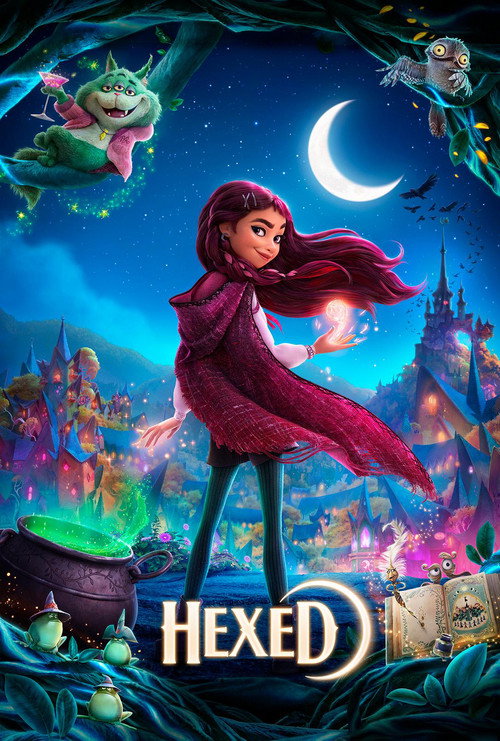
Hexed
Movies
Focker-in-Law
Movies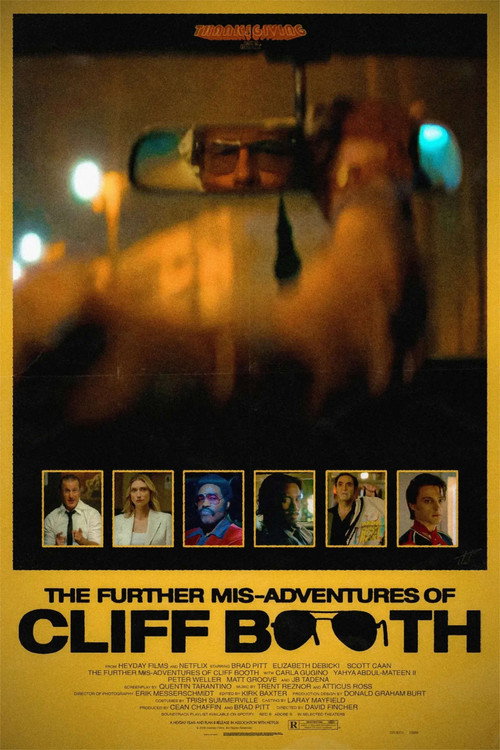
THE FURTHER MIS-ADVENTURES OF CLIFF BOOTH
Movies
Lilo & Scratch
Movies
Hershey
Movies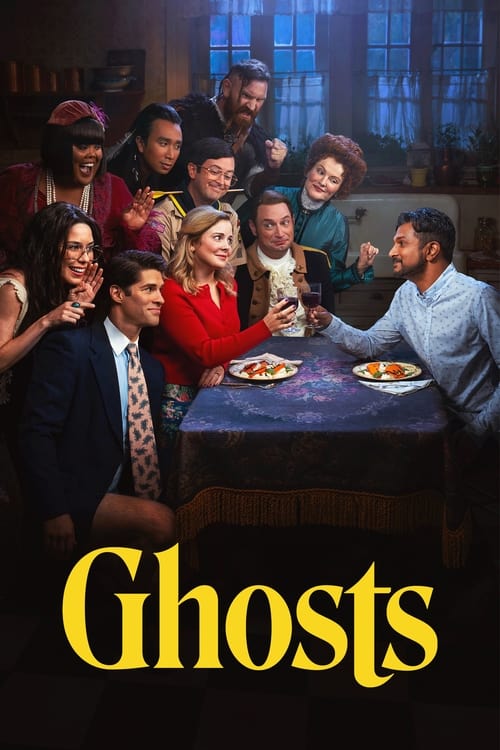
Ghosts
TV Series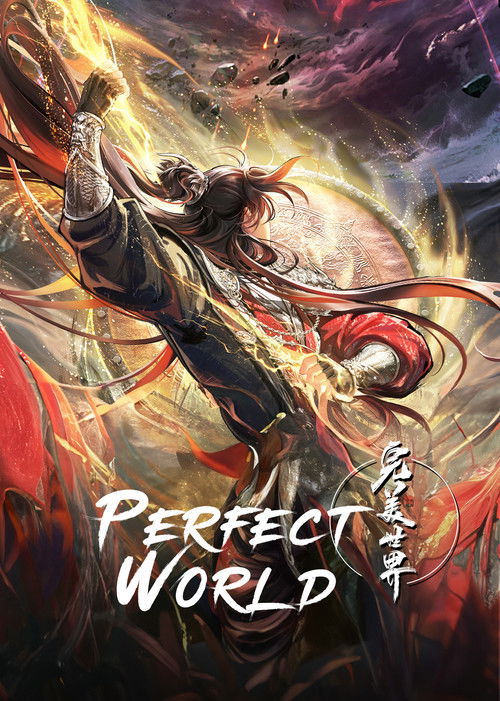
Perfect World
TV Series
The Rookie
TV Series
High Potential
TV Series